Sydney, Australia’s vibrant metropolis, is renowned for its culinary diversity and innovative transportation solutions. Among the city’s evolving trends, mobile food carts and electric vehicles have emerged as significant contributors to its dynamic landscape. This article delves into the multifaceted roles of food carts and electric carts in Sydney, examining their impact on the local economy, sustainability, and urban mobility.
The Rise of Mobile Food Carts in Sydney
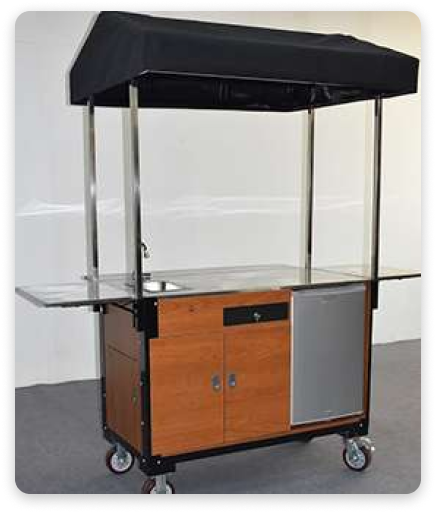
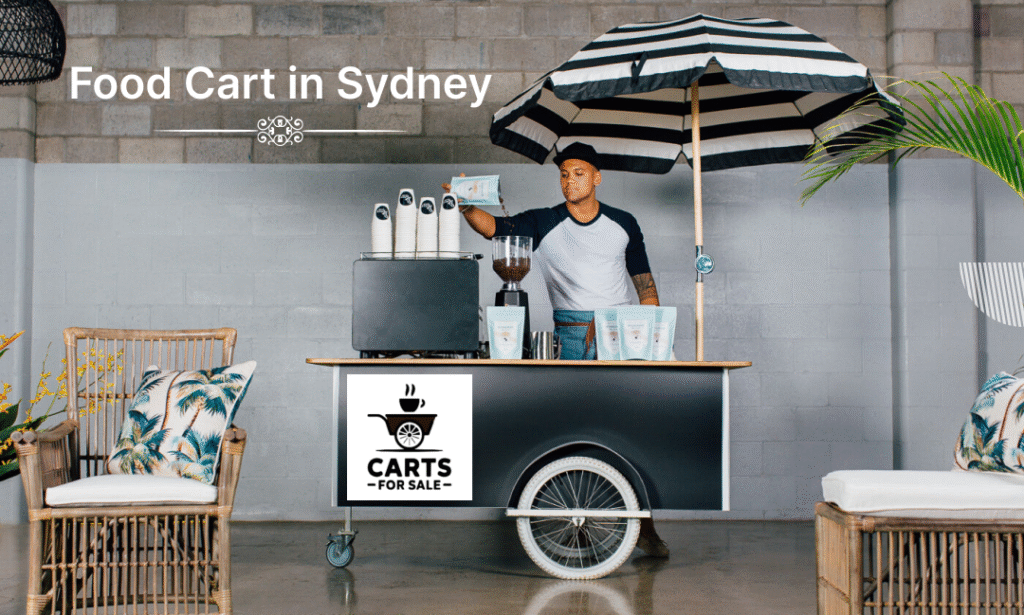
Mobile food carts have become an integral part of Sydney’s culinary scene, offering diverse dining options across the city. These mobile units range from gourmet food trucks to compact carts serving specialty items, catering to the city’s fast-paced lifestyle and diverse palate.
Economic Impact and Entrepreneurial Opportunities
The proliferation of mobile food carts has opened avenues for entrepreneurs to enter the food industry with relatively low startup costs. Establishing a mobile food business eliminates the need for expensive real estate investments, allowing vendors to reach customers directly in various locations. This flexibility has fostered a thriving community of food vendors, contributing to the local economy and providing employment opportunities.
Regulatory Framework and Operational Guidelines
Operating a mobile food cart in Sydney requires adherence to specific regulations set forth by local councils. For instance, the City of Sydney mandates that mobile food vendors obtain the necessary permits and comply with health and safety standards. These regulations ensure that food safety is maintained and that vendors operate within designated areas and hours.
Cultural Significance and Community Engagement
Beyond their economic contributions, mobile food carts have become cultural landmarks in Sydney. Areas like Harris Park, known as “Little India,” host a variety of mobile food vendors offering authentic international cuisines. These carts serve as cultural ambassadors, introducing Sydneysiders to global flavors and fostering multicultural exchange. However, the presence of mobile food carts has also sparked debates regarding noise, waste management, and zoning laws, highlighting the need for balanced urban planning.
The Emergence of Electric Carts in Sydney
Parallel to the growth of mobile food carts, electric carts have gained prominence in Sydney’s urban landscape. These electric vehicles serve various purposes, from personal transportation to utility services, aligning with the city’s commitment to sustainability and innovation.
Environmental Benefits and Sustainability
Electric carts contribute to reducing the city’s carbon footprint by offering an eco-friendly alternative to traditional gasoline-powered vehicles. Their adoption aligns with Sydney’s sustainability goals, promoting cleaner air and reducing noise pollution. The use of electric carts in urban settings exemplifies the city’s efforts to integrate green technologies into everyday life.
Applications in Urban Mobility
Electric carts are utilized in various sectors within Sydney, including tourism, hospitality, and municipal services. For example, electric shuttles transport visitors around popular tourist destinations, enhancing the visitor experience while minimizing environmental impact. Additionally, local councils employ electric carts for maintenance and service tasks in public spaces, demonstrating their versatility and efficiency.
Challenges and Future Prospects
Despite their benefits, the widespread adoption of electric carts faces challenges such as infrastructure limitations and initial investment costs. The development of charging stations and incentives for businesses to transition to electric vehicles are crucial steps toward overcoming these barriers. As technology advances and infrastructure improves, electric carts are poised to play a more significant role in Sydney’s transportation ecosystem.
Synergy Between Food and Electric Carts
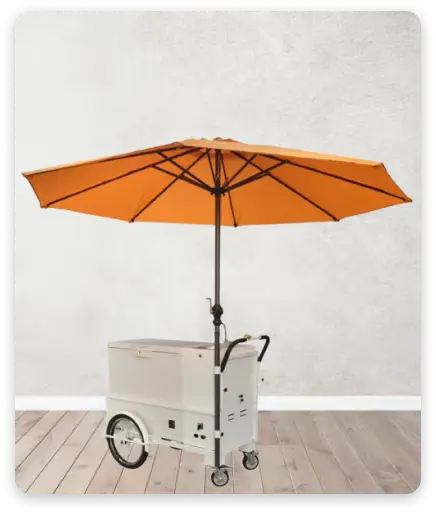
The intersection of mobile food carts and electric vehicles presents opportunities for innovation and collaboration. Electric-powered food carts, for instance, combine the mobility of traditional food trucks with the sustainability of electric propulsion. These eco-friendly food carts align with the growing consumer preference for sustainable practices and contribute to reducing the environmental impact of the food service industry.
Moreover, the integration of electric carts in food delivery services enhances efficiency and reduces emissions associated with traditional delivery methods. Businesses adopting electric vehicles for their operations not only contribute to environmental sustainability but also appeal to environmentally conscious consumers.
The Evolution and Impact of Food and Electric Carts in Sydney
Sydney, Australia’s bustling metropolis, is renowned for its dynamic food culture and commitment to sustainability. Among the city’s most notable trends are the proliferation of mobile food carts and the increasing adoption of electric carts. These innovations have not only transformed the culinary landscape but also contributed to a more sustainable urban environment. This article delves into the multifaceted roles of food carts and electric carts in Sydney, examining their economic, cultural, and environmental impacts.
The Rise of Mobile Food Carts in Sydney
Mobile food carts have become a ubiquitous feature of Sydney’s streets, offering a diverse array of culinary delights. From gourmet coffee to international street food, these carts provide convenient dining options for Sydneysiders and visitors alike.
Economic Opportunities and Entrepreneurial Spirit
The relatively low startup costs associated with mobile food carts have democratized the food industry, allowing aspiring entrepreneurs to enter the market with minimal financial risk. This accessibility has led to a surge in small businesses, fostering a vibrant food culture and stimulating local economies.
Regulatory Landscape and Operational Challenges
Operating a mobile food cart in Sydney necessitates compliance with various regulations set forth by local councils. For instance, the City of Sydney requires vendors to obtain the necessary permits and adhere to specific operational guidelines, including designated trading hours and approved locations.
Despite these regulations, some vendors have encountered challenges. A notable case involved a coffee cart owner who faced restrictions due to exceeding operating hours and leaving the cart overnight on public property. Such instances highlight the importance of understanding and adhering to local regulations to ensure smooth operations.
Cultural Integration and Community Engagement
Beyond their economic contributions, mobile food carts have become cultural landmarks, offering authentic international cuisines and fostering multicultural exchange. Areas like Harris Park, known as “Little India,” host a variety of mobile food vendors, serving as cultural ambassadors and enriching Sydney’s culinary tapestry.
The Emergence of Electric Carts in Sydney
Parallel to the growth of mobile food carts, electric carts have gained prominence in Sydney’s urban landscape. These eco-friendly vehicles serve various purposes, from personal transportation to utility services, aligning with the city’s commitment to sustainability.
Environmental Benefits and Urban Mobility
Electric carts contribute to reducing the city’s carbon footprint by offering an eco-friendly alternative to traditional gasoline-powered vehicles. Their adoption aligns with Sydney’s sustainability goals, promoting cleaner air and reducing noise pollution. The use of electric carts in urban settings exemplifies the city’s efforts to integrate green technologies into everyday life.
Applications in Various Sectors
Electric carts are utilized in various sectors within Sydney, including tourism, hospitality, and municipal services. For example, electric shuttles transport visitors around popular tourist destinations, enhancing the visitor experience while minimizing environmental impact. Additionally, local councils employ electric carts for maintenance and service tasks in public spaces, demonstrating their versatility and efficiency.
Infrastructure and Adoption Challenges
Despite their benefits, the widespread adoption of electric carts faces challenges such as infrastructure limitations and initial investment costs. The development of charging stations and incentives for businesses to transition to electric vehicles are crucial steps toward overcoming these barriers. As technology advances and infrastructure improves, electric carts are poised to play a more significant role in Sydney’s transportation ecosystem.
Synergy Between Food and Electric Carts
The intersection of mobile food carts and electric vehicles presents opportunities for innovation and collaboration. Electric-powered food carts, for instance, combine the mobility of traditional food trucks with the sustainability of electric propulsion. These eco-friendly food carts align with the growing consumer preference for sustainable practices and contribute to reducing the environmental impact of the food service industry.
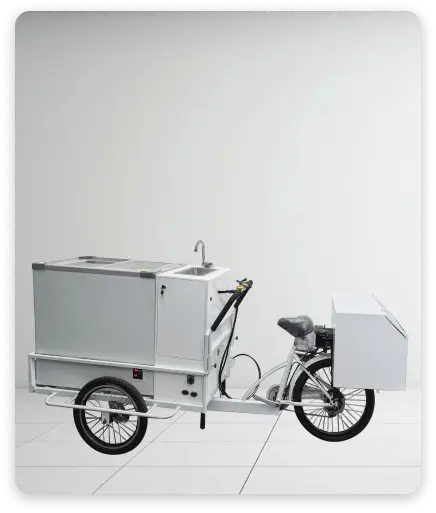
Moreover, the integration of electric carts in food delivery services enhances efficiency and reduces emissions associated with traditional delivery methods. Businesses adopting electric vehicles for their operations not only contribute to environmental sustainability but also appeal to environmentally conscious consumers.
Future Outlook and Innovations
Looking ahead, the synergy between mobile food carts and electric vehicles is expected to deepen, driven by technological advancements and shifting consumer preferences. Innovations such as solar-powered food carts and autonomous delivery vehicles are on the horizon, promising to further revolutionize the food and transportation sectors.
Additionally, as urban areas continue to prioritize sustainability, policies and infrastructure supporting the adoption of electric carts are likely to expand. This evolution will not only enhance the efficiency of mobile food operations but also contribute to a more sustainable and vibrant urban environment.
The Role of Innovation and Design in Food and Electric Carts
Modern businesses in Sydney are increasingly leveraging innovation and cutting-edge design to make their mobile ventures more efficient, appealing, and sustainable. Whether it’s a food cart in Sydney serving up artisanal coffee or an electric cart in Sydney used for delivery in tight laneways, design plays a vital role in improving functionality and user experience.
Customization and Modular Configurations
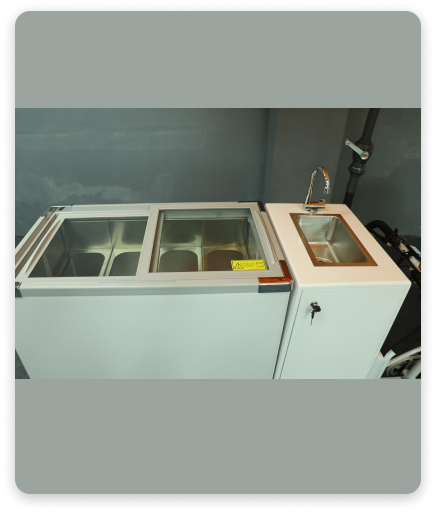
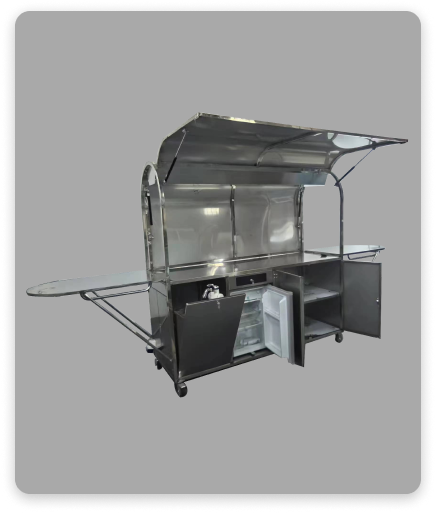
One of the biggest trends among vendors and service providers is the demand for customizable features in both food and electric carts. Modular setups allow business owners to adjust layouts based on their specific operations—whether they’re serving gourmet tacos or using the vehicle for eco-conscious parcel delivery. Businesses are also integrating smart systems, such as touchscreen POS (Point-of-Sale) systems, built-in refrigeration, and solar panel technology, particularly on food units aiming to reduce dependency on generators.
With rising expectations from consumers for fast, clean, and quality service, these enhancements offer a competitive edge while also aligning with Sydney’s green urban agenda.
Sustainability as a Driving Force
Sustainability is no longer just a trend—it’s a necessity. City policies and consumer expectations are pushing industries to adopt environmentally responsible solutions. The increased visibility of electric carts in Sydney is a direct reflection of this demand.
Zero Emissions and Urban Compliance
Electric carts are particularly beneficial in Sydney’s densely populated zones and eco-sensitive areas, where traditional fuel-based vehicles are being phased out. Quiet and emission-free, these vehicles are suitable for parks, campuses, resorts, and pedestrian-heavy districts. For example, several community councils now use electric carts for street cleaning and park maintenance, significantly cutting down operational emissions.
Food carts in Sydney are also embracing sustainable business models. Many vendors now use biodegradable packaging, source local ingredients, and aim to reduce energy use through LED lighting and efficient cooking appliances. This makes food carts not only portable and flexible but also aligned with the city’s clean-energy vision.
Seasonal Demand and Event-Based Deployments
Sydney is a hub for festivals, markets, and outdoor events year-round. Whether it’s Vivid Sydney, weekend beach markets, or pop-up art fairs, these occasions open massive opportunities for mobile food and utility vehicle operations.
During such events, the demand for an eye-catching food cart in Sydney skyrockets, especially if it can be set up quickly and comply with event zoning rules. On the logistics side, electric carts are often deployed for backstage or staff transport, moving supplies quietly and without disturbing the event’s ambience.
Catering to Tourism and Local Businesses
Tourism is another sector reaping the benefits of these mobile solutions. Electric carts in Sydney are often used to offer guided tours in locations where large vehicles are impractical. From harborfronts to botanical gardens, these nimble vehicles enhance the experience while leaving no carbon footprint.
Additionally, many boutique hotels and resorts in the greater Sydney area are investing in electric carts to provide shuttle services or carry guest luggage across large properties, thus improving service quality while maintaining environmental responsibility.
A Smart Investment for Small and Large Enterprises
Whether for hospitality, retail, or F&B services, investing in a high-quality food cart or electric cart makes strategic sense. These mobile assets allow businesses to test new locations, adjust to foot traffic, and build brand recognition with relatively low risk. Additionally, as cities like Sydney continue to grow more supportive of eco-friendly initiatives, owning a compliant, efficient cart may become a baseline expectation rather than a differentiator.
From an ROI perspective, the ability to reposition based on demand, minimal maintenance, and long-term energy savings (particularly with electric carts) makes them an attractive choice for forward-thinking operators.
Conclusion
Sydney’s embrace of mobile food carts and electric vehicles reflects the city’s adaptability and forward-thinking approach to urban development. These innovations contribute to a vibrant economy, a sustainable environment, and a culturally rich community. As Sydney continues to evolve, the synergy between food and electric carts will undoubtedly play a pivotal role in shaping the city’s future.